Introduction to Montenegro
Montenegro is one of those countries that feels almost too good to be true. Nestled along the Adriatic Sea, this small Balkan nation offers a fascinating mix of rugged mountains, medieval towns, and pristine beaches. Despite its modest size, Montenegro is bursting with diversity — from coastal beauty to dramatic highlands. It’s where the Mediterranean spirit meets the wild mountains of the Balkans, creating a perfect balance between relaxation and adventure.
For many years, Montenegro was Europe’s best-kept secret. While neighboring countries like Croatia and Greece attracted large crowds, Montenegro quietly preserved its authenticity. But now, travelers are finally discovering its charm. Whether you’re wandering through the cobbled streets of Kotor, sunbathing in Budva, or hiking in Durmitor National Park, this country leaves a lasting impression on everyone who visits.
What makes Montenegro even more special is its unpretentious nature. The locals are friendly and proud of their heritage, the food is fresh and flavorful, and the landscapes look like something out of a painting. Here, life slows down. You’ll find yourself sipping coffee by the sea, watching the sunset over mountains, and realizing that Montenegro is not just a destination — it’s a feeling.
The Natural Beauty of Montenegro

If there’s one thing that defines Montenegro, it’s the sheer beauty of its landscapes. Despite being smaller than many European regions, the country has an extraordinary variety of scenery — from snow-capped peaks and deep canyons to clear lakes and turquoise beaches. This diversity gives Montenegro a charm that’s hard to match anywhere else in Europe.
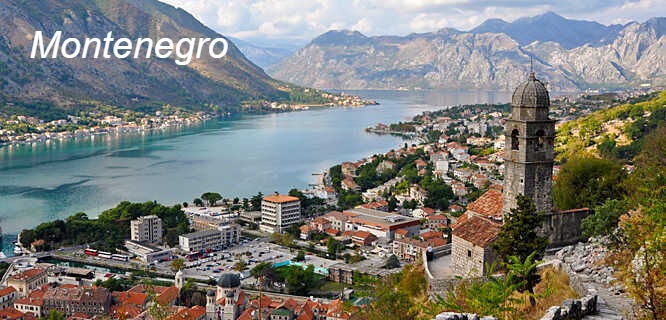
The Bay of Kotor, often called Europe’s southernmost fjord, is the country’s most iconic natural wonder. Surrounded by steep cliffs and historic towns, it’s a UNESCO World Heritage Site that captures the essence of Montenegro’s soul. The stillness of the bay, combined with the medieval charm of Kotor town, creates a view that feels timeless and enchanting.
Beyond the coast, Montenegro’s wild side awaits. Durmitor National Park is a paradise for adventurers — home to dense forests, glacier lakes, and the breathtaking Tara River Canyon, the second deepest canyon in the world after the Grand Canyon. Visitors can hike, raft, ski, or simply take in the fresh mountain air. Every corner of Montenegro seems designed to leave you awestruck, offering endless opportunities to reconnect with nature.
Cultural Heritage and Historical Significance
Montenegro’s culture is a rich tapestry woven from centuries of history. Over time, it has absorbed influences from the Romans, Byzantines, Venetians, and Ottomans, resulting in a blend of East and West that’s visible in its architecture, food, and traditions. This cultural fusion makes Montenegro truly unique among European destinations.
The old towns of Kotor, Budva, and Cetinje each tell their own stories. Kotor’s walled city is a maze of narrow streets, ancient churches, and charming courtyards that seem frozen in time. Budva, often called the “Montenegrin Miami,” beautifully balances history and modernity with its medieval core and lively nightlife. Meanwhile, Cetinje — the country’s former royal capital — is the cultural heart of Montenegro, filled with museums, monasteries, and reminders of the nation’s proud independence.
Montenegro’s name, meaning “Black Mountain,” reflects its resilient spirit. Throughout history, the Montenegrins have fiercely defended their land and traditions. Even today, that pride is evident in the way they celebrate their culture — through music, festivals, and warm hospitality. For visitors, this deep sense of identity makes Montenegro more than just a scenic destination; it’s a living, breathing story of courage and heritage.
Modern Montenegro: Tradition Meets Luxury
Montenegro may be steeped in history, but it’s also a country that has confidently stepped into the modern era. In recent years, it has transformed into a sophisticated travel destination while maintaining its authentic charm. Coastal cities like Budva, Tivat, and Herceg Novi are now home to world-class resorts, glamorous marinas, and chic restaurants that cater to both adventure seekers and luxury travelers.
Porto Montenegro, located in Tivat, is a shining example of this evolution. Once a naval base, it has been reinvented as a high-end marina and lifestyle hub that rivals the French Riviera. Yachts from around the world dock here, surrounded by designer stores, elegant cafés, and fine dining spots. Yet, what’s most remarkable is how seamlessly this modern luxury blends with Montenegro’s natural and cultural beauty.
Despite its rising fame, hasn’t lost its soul. Away from the glitz, you’ll still find small fishing villages, family-run guesthouses, and locals who live life at a slower pace. This delicate balance between progress and tradition is what keeps Montenegro’s charm intact — a place where modern sophistication coexists beautifully with rustic simplicity.
Cuisine and Lifestyle in Montenegro
Montenegro’s cuisine is a delicious reflection of its geography and multicultural influences. It combines the freshness of Mediterranean cooking with the heartiness of Balkan flavors. Every region has its own specialties, and every meal feels like a celebration of local life.
On the coast, seafood takes center stage — think grilled fish, octopus salad, and mussels cooked in white wine. Inland, the cuisine becomes more rustic, featuring cured meats, cheeses, and stews. One local delicacy you shouldn’t miss is Njeguški pršut — a smoked ham that rivals Italy’s finest prosciutto. Another traditional dish, kačamak, is a comforting mix of potatoes, cornmeal, and cheese, perfect after a long day of hiking.
To accompany these dishes, offers excellent local wines, particularly from the Lake Skadar region. The country’s vineyards produce rich reds and crisp whites that pair beautifully with its flavorful food. But beyond the cuisine, it’s the polako lifestyle — meaning “take it slow” — that defines Montenegrin life. People here know how to savor every moment, whether it’s a long lunch by the sea or a quiet coffee with friends. In Montenegro, living well isn’t a luxury — it’s a way of life.
Tourism and the Future of Montenegro
Tourism is the heart of growing economy, and it’s easy to see why. The country’s mix of natural wonders, cultural richness, and welcoming atmosphere makes it a dream destination for travelers from all walks of life. From backpackers and eco-travelers to luxury tourists, everyone finds something to love here.
What’s particularly inspiring is focus on sustainable tourism. Authorities and local communities are increasingly prioritizing the protection of natural parks, heritage sites, and coastal ecosystems. Places like Biogradska Gora and Durmitor National Park are becoming hubs for eco-tourism, attracting travelers who value authentic and responsible experiences.
The future looks bright for . As infrastructure improves and global awareness grows, the country is poised to become one of Europe’s top travel hotspots. Yet, it’s doing so on its own terms — maintaining its authenticity, preserving its environment, and staying true to the warmth and simplicity that define its people. In many ways, Montenegro represents the best of modern travel: genuine, sustainable, and unforgettable.
Conclusion: Why Montenegro Deserves a Spot on Your Travel List
Montenegro isn’t just a destination — it’s an experience that touches the soul. It’s a country of contrasts: ancient yet modern, tranquil yet thrilling, small yet incredibly vast in what it offers. From the shimmering waters of Kotor Bay to the serene peaks of Durmitor, every part of Montenegro tells a story of beauty, resilience, and passion.
What makes truly unforgettable is the feeling it leaves behind. It’s in the laughter of locals, the taste of fresh seafood by the sea, and the sight of the sun dipping behind the mountains. Every moment feels meaningful here — simple, yet extraordinary.
So, if you’re searching for a place that offers both adventure and peace, history and modernity, then should be at the top of your list. It’s Europe’s hidden gem — a land where mountains meet the sea, and every traveler finds a little piece of magic.