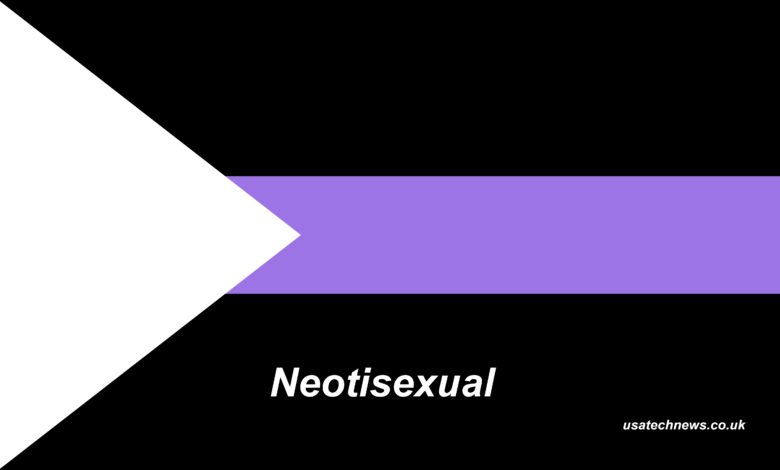
What Does “Neotisexual” Really Mean?
Neotisexual The term Neotisexual is one of the newer additions to the evolving world of gender and sexuality discussions. In today’s age, where identity is more fluid than ever, terms like this help people find language that represents how they truly feel. Essentially, a “Neotisexual” individual identifies their attraction through a modern or progressive lens — embracing an open-minded and evolving sense of sexuality that isn’t confined by traditional labels.
Unlike conventional sexual orientations that tend to define attraction in binary terms — like heterosexual, homosexual, or bisexual — the concept of being Neotisexual allows for exploration and change. It recognizes that attraction is not always static; it can shift based on emotional connection, mental stimulation, or even a deeper understanding of self over time. In that sense, Neotisexuality celebrates personal evolution rather than fixed categories.
For many, this term resonates because it gives them permission to exist outside rigid structures. Society is learning to appreciate that sexuality doesn’t need to be boxed into one definition forever. Neotisexuals often embrace a philosophy that attraction can grow, transform, or even fade depending on emotional or spiritual connections rather than gender alone.
The Origins and Cultural Growth of the Neotisexual Identity

While not as widely known as mainstream sexual orientations, the idea of Neotisexuality has been gaining traction across online communities, especially in conversations centered around identity and inclusivity. The word itself seems to be derived from the prefix “neo,” meaning new, and “tisexual,” suggesting a form of sexual or romantic orientation. Together, it reflects the birth of a new way of thinking about attraction — one that fits comfortably in the modern age.
Cultural shifts have paved the way for identities like Neotisexual to emerge. As society has become more open to discussions about gender, sexuality, and personal authenticity, new language has developed to capture experiences that older terms may have ignored. In that sense, Neotisexuality is not a “trend” — it’s a reflection of the natural evolution of human understanding.
Online platforms like TikTok, Reddit, and Twitter have helped terms like Neotisexual find their space. Younger generations, in particular, are using it as a way to describe attraction that isn’t easy to categorize. They might feel drawn to personalities, energy, creativity, or even intelligence more than physical appearance or gender identity. This evolution mirrors the general move toward acceptance and freedom of self-expression.
The Psychology Behind Identifying as Neotisexual
From a psychological perspective, identifying as Neotisexual often reflects a person’s desire to live authentically and resist societal pressure to conform. Many individuals who resonate with this term describe themselves as emotionally intuitive or spiritually aware. They value connection over convention, seeking partners based on shared understanding, mutual growth, and open-mindedness.
There’s also a liberating aspect to adopting the Neotisexual label. It allows people to acknowledge that their preferences might shift throughout their lives without feeling guilty or inconsistent. Sexuality is complex and often influenced by emotional development, self-discovery, and lived experiences — and Neotisexuality embraces that natural fluctuation.
Psychologists and relationship experts are beginning to note how these emerging terms reflect a broader trend in human self-awareness. As people move away from binary definitions of gender and attraction, new labels like empower them to define love and desire in their own terms. This shift toward fluidity promotes healthier self-acceptance and a more empathetic view of human diversity.
How Neotisexual Differs from Other Orientations
It’s important to note that Neotisexuality doesn’t necessarily replace existing sexual orientations — rather, it complements them. While pansexuality, for example, describes attraction regardless of gender, Neotisexuality takes it a step further by emphasizing modern openness and the evolving nature of attraction. It reflects not only who someone is drawn to, but also how they experience attraction in an ever-changing social and emotional landscape.
Another distinction lies in the mindset. Neotisexuality often carries a sense of curiosity and adaptability. Someone who identifies this way might be more interested in exploring their feelings, rather than defining them in permanent terms. This can feel refreshing for people who have struggled to find themselves within traditional categories.
In short, while many sexualities describe a fixed type of attraction, Neotisexuality describes a philosophy — an openness to evolution and growth. It’s not about rejecting labels altogether, but about creating one that better fits the fluid, self-aware nature of the modern individual.
Why the Neotisexual Identity Matters Today
In today’s world, conversations around identity are no longer taboo — they’re celebrated. The rise of the Neotisexual identity reflects how younger generations are reshaping societal expectations. Instead of feeling pressured to conform, people are carving out their own definitions of love, attraction, and selfhood.
This identity also plays a vital role in promoting inclusivity. By acknowledging the existence of new and diverse experiences, it encourages acceptance and empathy. Everyone’s understanding of attraction is unique, and the Neotisexual mindset embraces that fact fully. It’s about allowing space for individuality while respecting others’ journeys.
Moreover, labels like create dialogue — they invite people to question what attraction means to them and to approach relationships with more honesty and emotional intelligence. That’s a powerful cultural shift in itself.
How to Support Someone Who Identifies as Neotisexual
If someone in your life identifies as , the best way to support them is through understanding and open communication. Avoid assuming what their identity means to them — instead, ask and listen. For many, identifying as Neotisexual is deeply personal and tied to their journey of self-discovery.
Validation goes a long way. Society still struggles to accept newer or lesser-known identities, so showing respect and curiosity rather than skepticism can make a huge difference. Support also means using inclusive language and avoiding stereotypes or assumptions.
Ultimately, respecting Neotisexuality — like any other identity — is about compassion. It’s about recognizing that every person deserves to define themselves without judgment. By fostering this kind of environment, we move closer to a world where everyone can be authentically who they are.
Final Thoughts: The Future of Fluid Identities
The rise of marks another step in humanity’s ongoing effort to understand itself. It’s a reminder that attraction, love, and identity aren’t static — they evolve just like we do. Labels like this aren’t meant to divide people but to empower them, to give voice to experiences that words once failed to capture.
As society continues to explore what it means to be human in the modern world, we’ll likely see even more terms that reflect the nuances of emotion and attraction. Neotisexuality, in this sense, isn’t just a label — it’s a celebration of progress, curiosity, and authenticity.
In the end, being means embracing change, understanding oneself deeply, and allowing the heart and mind to grow together. It’s about accepting that who you love — and how you love — doesn’t have to fit anyone else’s definition but your own.