Exploring Bart Springtime: The Legacy, Art, and Creative Journey of a Cultural Innovator

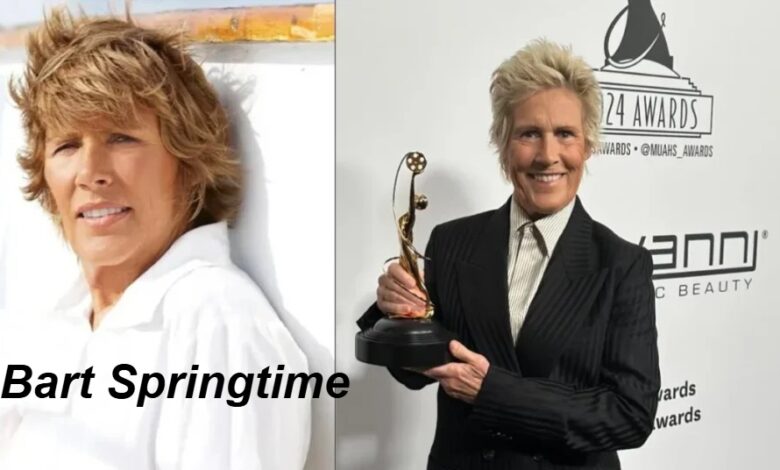
Who Is Bart Springtime? A Look into His Remarkable Identity
Bart Springtime is not just a name that floats around creative circles — it’s a symbol of individuality, artistry, and originality. Known for his unique approach to media and art, Bart has managed to stand out in an era where creativity often struggles against the tides of conformity. He is most recognized for his participation in reality television and his later pursuits in various artistic and cultural fields. However, to truly understand Bart Springtime, one must look beyond his media appearances and see the intricate layers of his personality and his creative evolution.
Bart Springtime first came into public recognition through the Dutch version of Big Brother, where he made history as one of the earliest reality TV figures in Europe. What set him apart, even then, was his calm demeanor, his philosophical take on life, and his deep appreciation for authentic expression. While many used reality shows as a stepping stone to fame, Bart used the platform as an exploration of human psychology, freedom, and individuality. His presence was both thought-provoking and unconventional — qualities that would define the rest of his career.
Over time, Bart Springtime grew beyond the confines of television. He began to explore various art forms, blending visual creativity with digital technology. From multimedia installations to conceptual art pieces, Bart’s work continuously reflected a deep curiosity about the human mind and modern culture. His name became synonymous with a type of intellectual rebellion — one that questioned how media shapes identity and perception.
The Creative Mindset Behind Bart Springtime’s Art

At the core of Bart Springtime artistry lies a simple but powerful idea: art should provoke thought, not just admiration. His work often invites the viewer to challenge what they see and to question the meaning behind everyday experiences. In a world obsessed with perfection and social validation, Bart’s creations act as a mirror that reflects our modern-day paradoxes — the balance between connection and isolation, or authenticity and performance.
Bart’s artistic approach is often described as “post-digital realism.” He merges digital techniques with organic ideas, bringing emotion and intellect into perfect harmony. Whether he’s working on a multimedia installation or a minimalist conceptual piece, there’s always a philosophical undertone that sets his work apart. His art doesn’t seek to impress; it seeks to awaken.
A fascinating aspect of Bart’s creativity is his ability to use personal experiences as artistic material. He often explores themes of solitude, self-expression, and the human desire for meaning. In many ways, his work feels autobiographical — an intimate diary written not with words, but with color, motion, and sound. This openness makes his art deeply relatable, allowing viewers to find fragments of their own emotions within his pieces.
Beyond the visual elements, Bart Springtime’s creativity reflects an ongoing dialogue with society. He doesn’t shy away from difficult questions about fame, media influence, and the superficiality of modern life. Instead, he transforms those concepts into artistic expressions that make us pause, think, and feel more consciously. His work becomes not only a reflection of himself but also a reflection of the world around us.
From Reality TV to Reality Reimagined
Bart Springtime’s journey from reality television to respected artist is both inspiring and unconventional. For many, fame becomes a trap — a glittering cage where one’s true self is replaced by a public persona. But Bart used fame differently. He used it as a lens to study society’s behavior and the psychology of fame itself. His experience in Big Brother gave him a firsthand understanding of how people act under surveillance, pressure, and judgment — themes that later became central to his art.
After his reality TV fame, Bart didn’t seek to capitalize on his celebrity status in traditional ways. Instead, he distanced himself from commercial entertainment and began to create projects that blended art, philosophy, and technology. This transformation marked a turning point in his career. He became less of a “former reality star” and more of a cultural commentator who used art to dissect the modern condition.
Bart’s transition also highlights his fearless attitude toward reinvention. In a media landscape that often pigeonholes individuals, he broke free from labels. He refused to be defined by one experience or title. This flexibility not only helped him sustain relevance but also inspired others who struggle with the fear of starting anew. His story reminds us that personal growth and creative expression are lifelong pursuits — and that the courage to evolve is the essence of true artistry.
Bart Springtime’s Influence on Modern Culture and Art
Bart Springtime’s impact extends far beyond his own work. He represents a new generation of artists who merge media, philosophy, and technology to craft meaningful messages. His influence can be seen in how modern creatives approach identity, authenticity, and digital existence. While not every artist may directly cite him as an influence, many embody the same spirit of experimentation and honesty that Bart promotes.
In particular, Bart’s exploration of digital culture has resonated deeply in today’s social media-driven world. He has often discussed the psychological impact of constant connectivity and the illusion of self created by online personas. Through his work, he encourages people to look beyond the digital façade and rediscover genuine human experiences. This perspective is more relevant now than ever, as society grapples with the emotional effects of virtual living.
Additionally, Bart’s intellectual depth and emotional openness have helped bridge the gap between mainstream and avant-garde art. He has shown that creativity doesn’t need to be inaccessible or overly complex — it just needs to be honest. His projects often blend humor with depth, simplicity with sophistication, making them appealing to both casual audiences and art enthusiasts alike. This balance has made his work timeless and universally engaging.
Philosophy and Personal Vision: What Drives Bart Springtime
To understand Bart Springtime’s continuing relevance, one must understand his philosophy. At his core, Bart believes that creativity is a form of freedom — a way to connect with one’s true self. He sees art not as a product but as a process, a constant exploration of what it means to be human in a changing world. This belief drives every piece he creates and every project he undertakes.
Bart often speaks about authenticity, a concept he holds in high regard. In his view, society pressures individuals to conform — to be successful, popular, or perfect. But through his life and art, Bart challenges that notion. He advocates for authenticity even when it’s uncomfortable, even when it defies expectations. This mindset resonates with audiences who are tired of superficiality and crave something real and raw.
His philosophical outlook extends beyond art into how he lives. Bart values mindfulness, simplicity, and curiosity — three pillars that guide his creative and personal journey. He treats every day as an opportunity to learn, unlearn, and rediscover. This openness allows him to remain innovative and relevant, even as artistic trends evolve. Bart’s philosophy reminds us that the truest form of creativity comes not from trying to be extraordinary, but from being completely and unapologetically oneself.
The Enduring Legacy of Bart Springtime
Bart Springtime’s legacy is one that continues to inspire artists, thinkers, and dreamers across the globe. He has proven that fame doesn’t have to define you, and that art can transcend traditional boundaries. His journey — from reality television to a respected creative figure — demonstrates the power of self-expression, reinvention, and courage.
In many ways, Bart represents a new kind of artist: one who is both introspective and socially aware, both digital and deeply human. His body of work challenges audiences to think differently, to question norms, and to embrace imperfection as a form of beauty. Even as the world changes rapidly, Bart’s message remains timeless — that creativity is not about fame or recognition, but about connection and truth.
As future generations look back, Bart Springtime will likely be remembered not just as a creative visionary but as a cultural philosopher who dared to live authentically in a world that often rewards imitation. His influence continues to ripple through modern art, digital media, and cultural thought — a testament to the lasting power of originality and courage.
Conclusion
Bart Springtime is more than an artist — he’s a storyteller, philosopher, and visionary who continues to shape how we think about art, media, and the self. His journey from reality television to respected cultural figure serves as a reminder that true creativity knows no boundaries. Whether you’re an artist, a thinker, or simply someone seeking inspiration, Bart’s story encourages us all to embrace our individuality, question the world around us, and never stop creating.