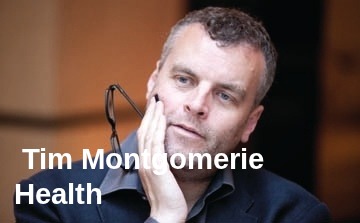
Introduction: Why the Conversation Around Montgomerie’s Health Matters
Paragraph 1:
tim montgomerie health is a prominent British political commentator, journalist, and activist, best known for co-founding the Centre for Social Justice and launching the influential platform ConservativeHome. Over the years, he has shaped conservative discourse with intelligence and conviction. In recent times, though, discussions of his health—particularly mental health—have surfaced, often with little clarity right from the outset. In an era when public figures increasingly embrace candor, Montgomerie journey brings both insight and a reminder: mental wellbeing is as consequential as physical health.
Paragraph 2:
While no credible evidence suggests that Tim Montgomerie Health has faced serious physical illnesses—like Parkinson’s, stroke, or autoimmune disease—the real story lies elsewhere. His willingness to speak about mental health—especially during the isolation of the COVID-19 lockdown—has resonated deeply with many who often suffer in silence. This article will explore what he’s shared, how he coped, and why it matters for all of us.
Paragraph 3:
Beyond the personal angle, diving into Tim Montgomerie Health mental health reflections offers a broader lesson about leadership, vulnerability, and resilience. When someone with his stature normalizes discussions of emotional struggle, it chips away at stigma and encourages others to seek support too. So let’s walk through what’s known—removing speculation, but also celebrating honesty.
1. No Known Physical Health Issues

Paragraph 1:
According to available information, tim montgomerie health has not publicly disclosed any significant physical ailments. He appears in good health, continues his work actively, and there is no indication of chronic or serious disease.
Paragraph 2:
Rumors that he might have Parkinson’s disease, cerebral palsy, or suffered a stroke have circulated briefly online, but these claims have been addressed and dispelled. Despite emotional challenges, his overall physical condition remains robust.
Paragraph 3:
As of recent years, there are no reports indicating he is suffering from any major illness. Rather, the health-related conversation focuses on his mental wellness, not physical debility. In short: Tim Montgomerie Health physical health appears sound and unremarkable, in the best sense.
2. Mental-Health Struggles During Lockdown (and What Helped)
Paragraph 1:
In candid moments, Tim Montgomerie Health has opened up about how the COVID-19 lockdown affected his mental health. Living alone during that period, he admitted that he “really did reach some dark places”—a raw confession that underscores how disorienting extended isolation can be, even for resilient individuals.
Paragraph 2:
He explored various forms of counseling to pull himself back—but found that it wasn’t enough. Eventually, he turned to medication. Although it helped, he described how the medication “flattened him and also made him sort of feel slightly unenthusiastic about everything.” This experience highlights the tricky balance many face: medication can help you get through the day, but may come with emotional dampening.
Paragraph 3:
Importantly, Tim Montgomerie Health emphasized that he didn’t want to depend on medication indefinitely. Over time, with a combination of medical guidance and social support, he managed to wean off it completely. This arc—from crisis, to medication, to recovery—illustrates both the fragility of mental health and the possibility of regaining control.
3. The Power of Friendship—Sir David Amess’s Role
Paragraph 1:
Beyond professional help, Montgomerie credited the late MP Sir David Amess with playing a pivotal role in his mental recovery. Amess reached out during Tim Montgomerie Health low moments, checking in personally: “David rang me and said ‘how are you?’… [he] pressed me and said, ‘I know you’re not well at the moment.’”
Paragraph 2:
Amess’s approach—sharing jokes, inviting honest conversation, encouraging Tim Montgomerie Health to call him in dark times—was both compassionate and tangible. That kind of genuine, consistent support from a friend or colleague can make a world of difference, not as a replacement for professional help, but as a complement to it.
Paragraph 3:
This sort of human connection often gets overlooked in public discussions of “mental health,” which tend to spotlight therapies and medications. Tim Montgomerie Health story reminds us that everyday kindness, a phone call, or a listening ear can be just as vital in restoring one’s spirits.
4. Why Montgomerie’s Candidness Is So Important
Paragraph 1:
As a high-profile voice in British political commentary, Tim Montgomerie Health could have opted for silence. Instead, he chose vulnerability—especially about mental health. In doing so, he sends a powerful message: that even prominent, articulate figures are not immune to emotional struggle. And that admitting that isn’t weakness—it’s a mark of strength and self-awareness.
Paragraph 2:
That openness helps destigmatize mental health issues. When someone articulate and respected acknowledges difficulty, it normalizes the conversation for others. It says: you are not alone, and seeking help is not shameful; it’s smart and necessary.
Paragraph 3:
Moreover, Tim Montgomerie Health balanced narrative—counseling didn’t fully help; medication helped but had side effects; friendship matters—is refreshingly realistic. It doesn’t simplify mental health recovery into a “one-size-fits-all” story. He demonstrates that healing is often messy, nonlinear, and uniquely personal—but definitely possible.
5. Summary and Broader Reflections
Paragraph 1 (Summary):
To recap: No evidence suggests Tim Montgomerie has faced serious physical health issues. However, during the 2020-21 lockdown, he experienced significant mental distress—so much so that he described hitting “dark places.” He tried counseling, moved to medication (which had dampening effects), and ultimately benefited from friendship and eventually discontinuing medication.
Paragraph 2 (Wider Lessons):
Montgomerie’s story holds lessons far beyond his own life. It underscores how social isolation can sap our spirit, how medication can be both lifeline and burden, and how friendship and human connection can rekindle hope. For many, that acts as a reminder to check in on loved ones, to value the emotional needs behind public façades, and to remember that care often starts with compassion.
Paragraph 3 (Closing thought):
In a world quick to sensationalize “health issues,” Montgomerie’s experiences are grounded, understated—and deeply human. His candidness invites us not only to care for others, but to care for ourselves. Because, as he implicitly shows: seeking help, accepting support, and sharing our struggles can be acts of courage, not shame. And in doing so, we become better thinkers, leaders, friends—and human beings.