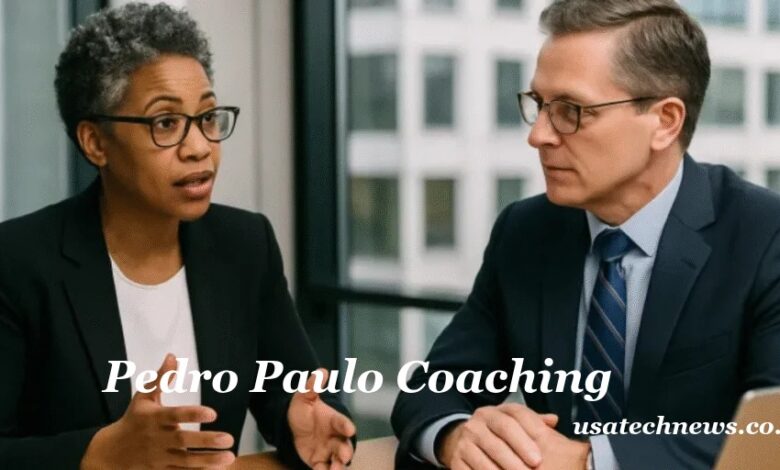
Introduction to Pedro Paulo Coaching
Pedro Paulo Coaching When it comes to personal and professional development, few names have been gaining as much recognition lately as Pedro Paulo Coaching. In a world where people are constantly seeking ways to unlock their full potential, coaching has become more than just a luxury—it’s a necessity. Pedro Paulo’s approach to coaching stands out because it blends practical strategies with a deep understanding of human behavior. Unlike many coaching styles that feel generic or rigid, his methods aim to connect with individuals on a personal level, making every session impactful and tailored to unique goals.
What makes Pedro Paulo Coaching particularly interesting is its focus on both the personal and professional spheres of life. It’s not limited to career development or leadership training; it extends into areas such as emotional intelligence, confidence building, relationship management, and even lifestyle balance. By targeting these different aspects, Pedro Paulo ensures his clients experience growth in all areas, not just one. This holistic style of coaching has been praised for producing long-lasting results.
In recent years, the coaching industry has grown rapidly, and many people find themselves overwhelmed by the number of coaches out there. However, Pedro Paulo’s coaching has carved out its own identity because of the emphasis on authenticity and transformation. It’s not about giving you a quick fix but about equipping you with tools and insights you can carry with you for a lifetime.
The Philosophy Behind Pedro Paulo Coaching

At the heart of Pedro Paulo Coaching lies a simple yet profound philosophy: everyone has untapped potential waiting to be discovered. Rather than treating coaching as a corrective measure for weaknesses, Pedro Paulo approaches it as a journey of unlocking hidden strengths. This positive, forward-looking perspective has been a key reason why his clients resonate so strongly with his sessions.
Pedro Paulo believes that every individual already possesses the seeds of greatness—they just need guidance, perspective, and accountability to nurture them. Instead of imposing rigid frameworks, his coaching adapts to the specific needs of each client. For example, one client may need clarity in their career path, while another may struggle with self-confidence or communication. His philosophy ensures that no one feels boxed into a “one-size-fits-all” system.
Another core principle of his philosophy is balance. Many people pursue success at the cost of their health, relationships, or mental well-being. Pedro Paulo Coaching emphasizes creating harmony between personal aspirations and professional goals. This balance not only leads to external achievements but also fosters internal peace, which is often overlooked in modern coaching practices.
The Services Offered by Pedro Paulo Coaching
Pedro Paulo Coaching is not limited to a single type of coaching. Instead, it offers a diverse range of services to cater to different life and career stages. One of the most popular offerings is executive coaching, where leaders and managers learn to enhance their leadership style, improve decision-making, and create more productive teams. For professionals aiming to climb the corporate ladder, this service is invaluable.
Another significant branch of Pedro Paulo Coaching is life coaching. This focuses on areas such as self-esteem, relationships, personal growth, and emotional resilience. Many clients come into these sessions feeling stuck or unsure about their next steps, and through guided conversations, they gain clarity and confidence to move forward.
Pedro Paulo Coaching also provides career coaching for individuals who want to change directions, find passion in their work, or improve job performance. Unlike traditional career advice, this type of coaching dives deeper into aligning personal values with professional goals, ensuring that career success feels meaningful rather than just financially rewarding.
Why Pedro Paulo Coaching Stands Out in a Crowded Market
With countless coaches offering services globally, what sets Pedro Paulo Coaching apart? One standout factor is the personalized attention. Many coaching programs tend to follow scripts or pre-set frameworks, but Pedro Paulo takes the time to understand each client’s unique story. This ensures that the coaching feels authentic and relevant, rather than formulaic.
Another distinguishing feature is the focus on sustainability. Instead of promising overnight success, Pedro Paulo emphasizes gradual and consistent growth. His clients are equipped with actionable tools and strategies that they can apply long after the coaching sessions end. This makes the results sustainable and long-lasting, rather than short-lived bursts of motivation.
Moreover, Pedro Paulo’s coaching has been described as both practical and inspiring. While some coaches rely heavily on motivational speeches, Pedro Paulo combines inspiration with real-world strategies. Clients not only leave sessions feeling energized but also with a clear plan of action. This combination of motivation and practicality is one of the biggest reasons behind his success.
The Impact of Pedro Paulo Coaching on Clients
One of the most powerful aspects of Pedro Paulo Coaching is the tangible transformation it creates in clients’ lives. Many people who come to him initially feel stuck, overwhelmed, or uncertain about their direction. Through his coaching, they begin to see new possibilities and gain the confidence to pursue them.
Clients often report that they experience significant improvements in their mindset. They develop resilience in the face of challenges, a clearer sense of purpose, and stronger belief in their abilities. For professionals, this often translates into career advancements, better leadership skills, and improved work-life balance. For individuals seeking personal growth, it results in healthier relationships, greater emotional control, and overall life satisfaction.
Another notable impact is the sense of accountability that Pedro Paulo Coaching instills. Many people struggle to stay consistent with their goals because they lack accountability. Pedro Paulo provides that structure, ensuring his clients remain on track and motivated even during difficult times. This accountability, paired with encouragement, is often the turning point for many clients.
Pedro Paulo Coaching and the Future of Personal Development
The future of personal development and coaching is evolving rapidly, and Pedro Paulo Coaching is well-positioned to be at the forefront of this movement. As technology advances, coaching is no longer limited to in-person sessions. Virtual platforms, digital tools, and online workshops are expanding access to coaching services, making them available to people around the world.
Pedro Paulo has already embraced this shift, offering virtual coaching sessions that maintain the same level of personal connection and effectiveness as face-to-face meetings. This flexibility allows clients from different countries and backgrounds to benefit from his expertise without geographical limitations.
Looking ahead, the demand for authentic and holistic coaching is only going to grow. As more people recognize the importance of mental well-being, work-life balance, and personal fulfillment, the coaching industry will play a critical role. Pedro Paulo Coaching, with its focus on personalized growth and sustainable success, is set to remain a trusted name in this space.
Conclusion: Why Choose Pedro Paulo Coaching
In today’s fast-paced and often overwhelming world, having a coach who can guide you through challenges and unlock your full potential is invaluable. Pedro Paulo Coaching stands out as a beacon of authenticity, transformation, and sustainable growth. With a philosophy centered on balance, a diverse range of services, and a reputation for producing real results, it has become a go-to choice for individuals and professionals seeking meaningful change.
Choosing Pedro Paulo Coaching means more than just working with a coach—it means embarking on a journey of self-discovery and empowerment. Whether your goals are personal or professional, his coaching provides the clarity, motivation, and accountability needed to achieve them. If you’re serious about growth and ready to transform your life, Pedro Paulo Coaching might just be the step you’ve been waiting to take.