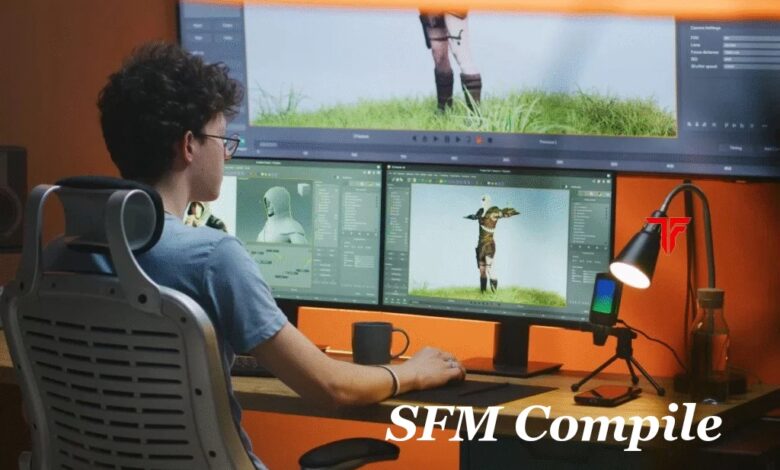
Understanding What SFM Compile Actually Means
SFM Compile If you’ve ever dabbled in Source Filmmaker (SFM), you’ve likely come across the term compile. For newcomers, it might sound a bit technical or confusing, but it’s actually one of the most essential parts of the animation process in SFM. In simple terms, compiling in SFM refers to the process of turning your animation project into a finished video file that can be viewed, shared, and uploaded anywhere you want. It’s like the final “export” step you see in other video-making tools, but with a little more technical nuance.
Compiling in SFM involves rendering your project from the timeline and baking all your camera angles, lighting, effects, and animation layers into a single, cohesive video. It’s the moment your creative work comes to life in a playable format, often as an MP4, AVI, or MOV file. The compile process can be simple or complex depending on the project, but every SFM Compile user has to go through it to finalize their animation.
In a way, SFM Compile is what separates a work-in-progress from a complete piece. It’s the part where all your hard work, from posing models to adjusting lighting and audio, pays off. Understanding how to compile effectively ensures your animations not only look great but also run smoothly and professionally.
Why Compiling in SFM is So Important

At first glance, SFM Compile might just seem like the last step before sharing your video. However, it’s much more than that—it’s the stage where your project’s true quality is determined. A poorly compiled SFM animation can look pixelated, laggy, or choppy even if the animation itself is brilliant. Conversely, a well-optimized compile can make even a simple project shine.
One of the main reasons compiling is important is that SFM Compile runs in a real-time rendering environment. What you see in the viewport might not always match what your audience sees once the video is compiled. Lighting, reflections, motion blur, and other post-processing effects often look different after compiling, which is why it’s vital to understand the settings and options before hitting that “compile” button.
Furthermore, compiling gives creators the chance to apply final touches like frame rate adjustments, resolution enhancements, and encoding quality tweaks. These small details can make a massive difference in how professional your final video looks. Whether you’re creating a short meme animation or a cinematic masterpiece, compiling correctly ensures your hard work translates perfectly from the editor to the screen.
Different Methods to Compile in Source Filmmaker
There are multiple ways to compile your animation in SFM Compile, each with its pros and cons. The most common method is through the built-in “File → Export → Movie” option, which allows users to quickly render their timeline into a movie file. This approach is beginner-friendly and works well for most small to medium projects. You can choose formats like AVI or image sequences, depending on your needs.
For more advanced users, compiling through image sequences is a preferred method. This technique involves exporting every frame as an image (usually in TGA or PNG format) and then stitching them together in a separate video editor like Adobe Premiere, DaVinci Resolve, or even VirtualDub. The advantage here is that it gives you greater control over post-production quality and reduces the risk of crashes during long renders—a common issue in SFM Compile.
There’s also the option to use the console commands for compiling. While this method might seem intimidating to beginners, it’s actually a powerful way to optimize performance and tweak advanced parameters. You can manually adjust resolution, frame rate, and even compression levels through command-line instructions, giving you finer control over your render output.
Common Problems During the Compile Process
If you’ve ever tried compiling in SFM Compile, you’ve probably faced some frustrating issues. Crashes, frame drops, or incomplete renders are unfortunately common. One of the biggest culprits is memory usage—SFM Compile can be quite demanding, especially with complex scenes or high-resolution textures. The software sometimes struggles to handle large projects, leading to failed compiles or black-screen outputs.
Another frequent issue is audio desync. Many animators find that their sound doesn’t match up properly after compiling, even though it was perfect in the editor. This usually happens due to mismatched frame rates or incorrect export settings. Thankfully, it’s easy to fix by double-checking your timeline frame rate and audio sampling rate before compiling.
File format problems also plague many SFM Compile users. For example, AVI files can become incredibly large and sometimes won’t play smoothly. Using image sequences or external encoders is often a smarter choice. The key to solving most compile issues lies in patience, experimentation, and keeping backups of your project files so that a crash doesn’t wipe out hours of progress.
Tips for Smooth and High-Quality SFM Compiling
To make the compiling process smoother, a few best practices go a long way. First, always render in image sequences if you’re working on a lengthy or detailed project. It not only prevents data loss from crashes but also allows for post-editing flexibility. Once the sequence is complete, you can use video editing software to fine-tune your visuals and add effects or soundtracks.
Next, adjust your rendering settings carefully. Choose a resolution that matches your project’s target platform—1080p for YouTube or 4K for high-end showcases. Avoid unnecessarily high resolutions that will only increase render time and file size without visible improvement. Similarly, experiment with anti-aliasing and motion blur to find a balance between performance and visual fidelity.
Finally, make sure your hardware setup is ready for compiling. SFM Compile relies heavily on your CPU and GPU, so closing background applications, clearing cache files, and saving frequently can save you headaches. Even though compiling might take time, patience is crucial—rushing the process or multitasking during rendering can result in corrupted outputs.
How to Optimize Compiled Videos for Sharing
Once you’ve successfully compiled your animation, the next step is preparing it for sharing. This involves compressing your video without sacrificing too much quality. Tools like HandBrake or FFmpeg are perfect for this—they let you reduce file size while maintaining crisp visuals. Always export in modern formats like MP4 (H.264 or H.265 codec), as they provide the best balance between quality and compatibility.
It’s also wise to consider color grading and sound mixing at this stage. Even after compiling, slight adjustments to brightness, contrast, and saturation can make your video more visually appealing. Similarly, tweaking audio levels ensures that dialogue, sound effects, and background music blend seamlessly. This final polish can turn a good animation into a great one.
Lastly, think about where you’re uploading your compiled video. YouTube, Vimeo, and social media platforms all compress videos differently, which can affect how your project looks once online. Always preview your upload and, if possible, adjust your export settings to match each platform’s optimal specifications.
Conclusion: The Art of Perfecting Your SFM Compile
Compiling in Source Filmmaker might seem like a purely technical task, but it’s actually an art form in itself. It’s the stage where creativity meets precision—where every lighting choice, camera angle, and animation frame is transformed into a finished product. Learning to master the compile process not only improves your workflow but also elevates the overall quality of your projects.
The key takeaway? Don’t rush it. Understanding your compile settings, optimizing your render workflow, and being patient with the process can make all the difference. Whether you’re a beginner exploring SFM for fun or an experienced animator aiming for cinematic quality, perfecting your compile skills ensures your final video truly reflects the effort and imagination behind it.
So the next time you finish an SFM Compile project, take a moment before hitting “Export.” Double-check your settings, plan your output format, and treat compiling as the essential creative step it truly is. After all, your compile isn’t just the end of your project—it’s the beginning of how your audience experiences your animation.