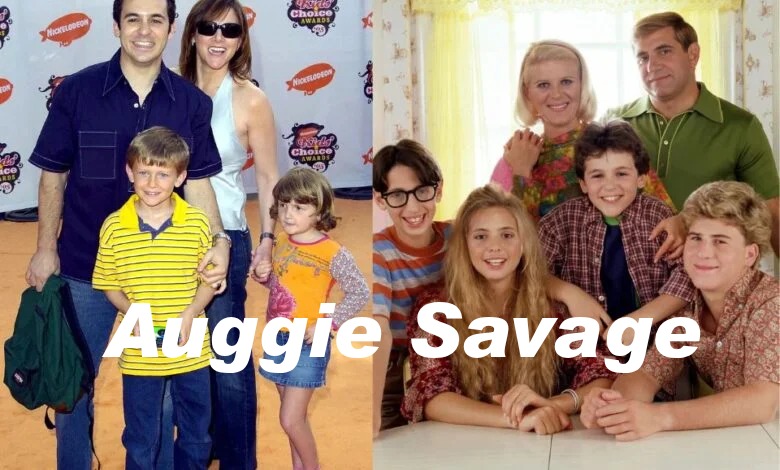
Who Is Auggie Savage?
Auggie Savage is a name that has been steadily gaining recognition, particularly among those who keep an eye on emerging talents in the creative and entertainment world. He is often described as more than just an artist—he is a storyteller, a dreamer, and someone who isn’t afraid to carve his own path. In today’s era where content and creativity collide on platforms like YouTube, Instagram, and TikTok, Auggie Savage has managed to set himself apart with a style that feels authentic, fresh, and deeply personal.
Unlike many individuals who try to fit into a mold that guarantees success, Auggie Savage has built his brand around individuality. He brings forward not only his art but also his personality, allowing people to connect with him on a human level. This kind of relatability is rare, but it’s also the key reason he has been able to foster a growing fanbase that truly appreciates what he brings to the table.
It’s important to note that the entertainment and creative industries are packed with competition. To stand out, one must either innovate or bring something incredibly unique to the stage. Auggie Savage seems to understand this principle well. His approach is not about chasing trends blindly but about creating work that feels real and leaves a lasting impression. This quality alone puts him on track to become a recognizable name in years to come.
The Journey to Recognition

Every artist has a backstory, and for Auggie Savage, his path is defined by persistence and passion. It’s easy to assume that success comes overnight, but in reality, most individuals work tirelessly behind the scenes before anyone even notices them. Auggie Savage embodies this journey. He has spent countless hours honing his craft, experimenting with different styles, and finding his unique voice.
What makes his journey even more inspiring is the fact that he has faced challenges that could have easily derailed him. Instead of giving up, he used those experiences as motivation to push further. This is one of the qualities his audience admires most—his resilience. Whether it’s through his art, performances, or online presence, he sends a subtle but powerful message: success is not about perfection, it’s about consistency and authenticity.
Recognition for Auggie Savage has not only come from fans but also from peers and professionals in his field. Slowly but surely, he is proving that talent combined with hard work eventually pays off. His rise shows that there’s still room in the creative industry for individuals who dare to be themselves.
Creative Style and Influences
One of the most fascinating aspects of Auggie Savage is his creative style. Whether you are looking at his music, videos, or any other form of content he puts out, you immediately sense his personal touch. His work doesn’t feel copied or recycled—it feels genuine, almost like a direct window into his imagination.
Many people have tried to pinpoint exactly what influences his creativity, and while it may be hard to narrow down, one thing is certain: Auggie Savage takes inspiration from both life experiences and cultural trends. He has a way of absorbing what’s happening around him and reimagining it into something fresh. This ability to reinterpret the world is what separates great creatives from the ordinary ones.
His artistic influences appear to come from a mixture of classic and contemporary sources. On one hand, he respects the traditional forms of storytelling and artistry; on the other, he embraces modern trends to ensure his work stays relevant. The balance between respecting the past and embracing the future makes his style both timeless and exciting.
Building a Personal Brand
In today’s digital-first world, building a personal brand is just as important as talent. Auggie Savage has understood this from the beginning. He doesn’t just focus on the art; he focuses on how the art is presented and how people connect with it. This awareness has allowed him to create a personal brand that feels strong, confident, and relatable.
A personal brand goes beyond logos and photoshoots—it’s about the story you tell. Auggie Savage’s story is one of ambition, resilience, and authenticity. This story resonates deeply with younger generations, especially those who are also trying to find their way in a world that often feels overwhelming.
Through consistent engagement on social media, collaborations with other creatives, and the ability to adapt to new platforms, he has been able to build a community that feels loyal. His fans don’t just see him as an artist; they see him as someone who inspires them to be themselves.
Why Fans Connect With Auggie Savage
The connection between an artist and their audience is sacred. Auggie Savage has managed to foster a bond with his fans that goes beyond entertainment. People feel like they know him—not in a superficial sense, but in a genuine, relatable way. He is open about his journey, shares both the highs and the lows, and doesn’t shy away from being vulnerable.
This honesty has built trust. Fans don’t just follow him for his work; they follow him for who he is. In an age where many artists seem untouchable or overly polished, Auggie Savage’s authenticity makes him stand out. It’s refreshing to see someone who doesn’t put up a façade but instead shows the raw, unfiltered side of creativity and life.
Another reason fans connect so deeply with him is his ability to speak to universal emotions. Whether it’s themes of struggle, ambition, joy, or resilience, his content often reflects experiences that nearly everyone can relate to. This relatability turns casual listeners or viewers into long-term supporters.
Auggie Savage’s Future in the Industry
Looking ahead, the future appears incredibly promising for Auggie Savage. He has already laid down the foundation of his career, and now he is entering the phase where growth and opportunities will multiply. If he continues on the path he’s currently on—staying true to his style while pushing creative boundaries—he has the potential to become a household name.
The entertainment industry thrives on fresh voices and originality, and Auggie Savage brings both. With every new release or appearance, he adds another layer to his growing legacy. He isn’t just creating for today; he is building something that can last for years to come.
Fans are already eagerly awaiting his next moves, and industry watchers have taken note of his rising influence. Whether it’s expanding into new creative mediums, collaborating with established artists, or performing on bigger stages, Auggie Savage’s career trajectory is on an upward climb.
Conclusion: The Essence of Auggie Savage
Auggie Savage represents a new era of creatives—those who are unapologetically authentic, deeply passionate, and not afraid to take risks. His story so far is one of persistence, creativity, and connection. While his career is still unfolding, the impact he has already made is undeniable.
What makes Auggie Savage special is not just his talent but his ability to inspire. He reminds us that success isn’t about following the crowd but about embracing who you truly are. For his fans, he is more than just an entertainer—he is a source of motivation and proof that dreams are worth chasing.
As time goes on, there is little doubt that the name Auggie Savage will continue to rise, becoming synonymous with authenticity and creativity. His journey is still being written, but one thing is certain: Auggie Savage is here to stay.